Cultural preservation through the art of storytelling: eldership and medicine stories honored among native society as a counter to the colonialism of the material world.
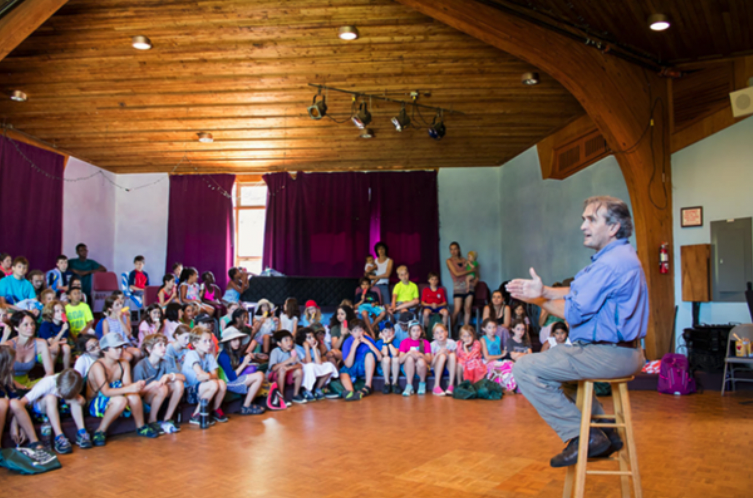
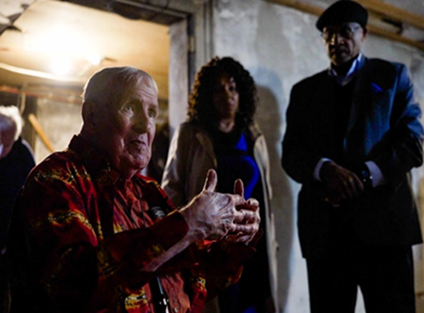
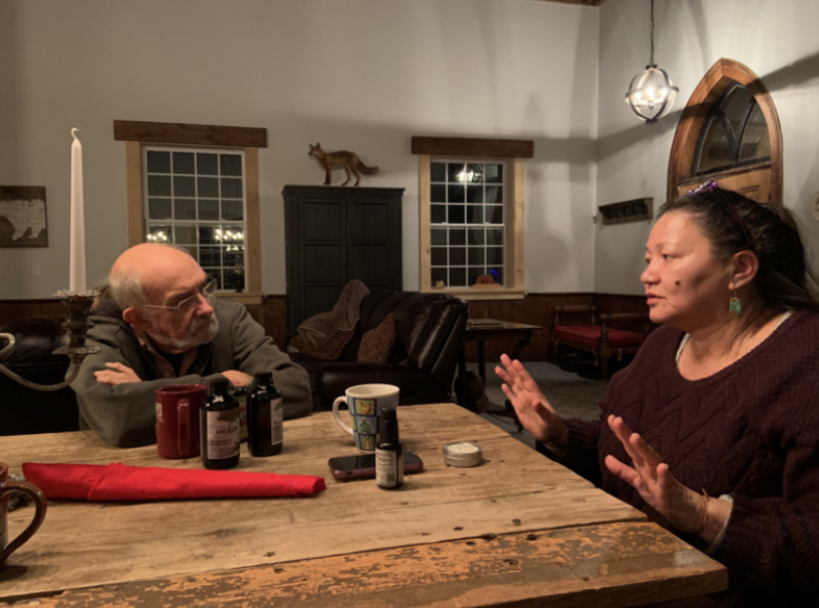
An indigenous belief likely universal among the native world is this: a story lives in the telling of the story. The process of telling and listening brings teller and listener together into a living narrative that transcends time. Working with the premise that we are the history of our past — our past viewed always from our present lives, within the present from where it is spoken — we are forever weaving ourselves into the fabric of our traditions, our failures, and our reemergence.
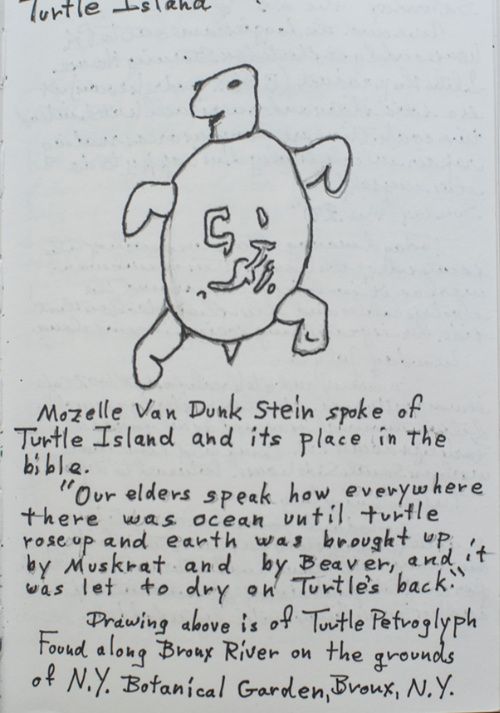
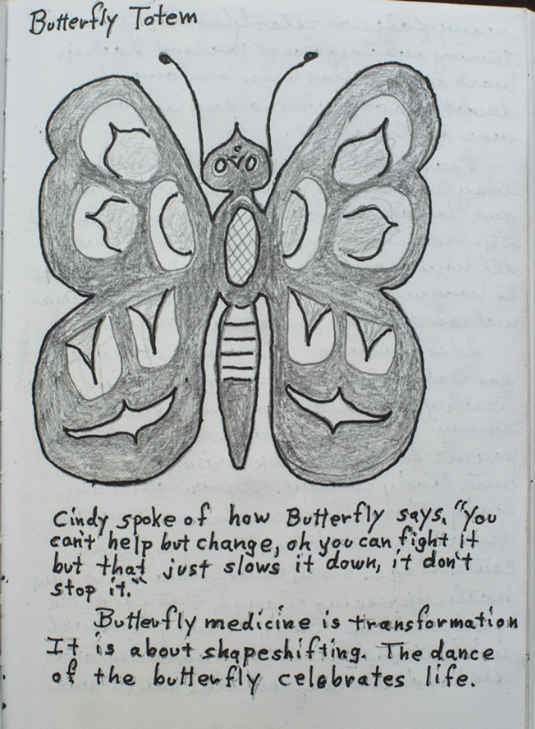
When the world of the nation/state sought resources from the nativistic world, the core principle of naturalism — reciprocity — was smashed and replaced with the principle of commodity. The remnants of that collision of colonialism have long been held together with the narrative thread of medicine stories: lasting tales infused with traditional knowledge, often sustained in metaphor, but not the lifeless symbol on a page. Rather, a living metaphor that breathes with every new teller, every new listener.
And just as Arthur Frank told us in The Wounded Storyteller — that one can only heal by telling one's story through the wounds — medicine stories return the gift of reciprocation to our world. Exchange, acknowledgement, and inclusion are the virtues of medicine stories, and by these virtues one comes to speak truth to power. Such storytelling is living history — ever alive and alert to its own shape-shifting reality, ever conscious of its ancient presence in its untold future, and always building upon the sound of reflection.
A story lives in the telling of the story.